The real cost of Умные системы полива: Автоматизация орошения сада на основе прогноза погоды: hidden expenses revealed
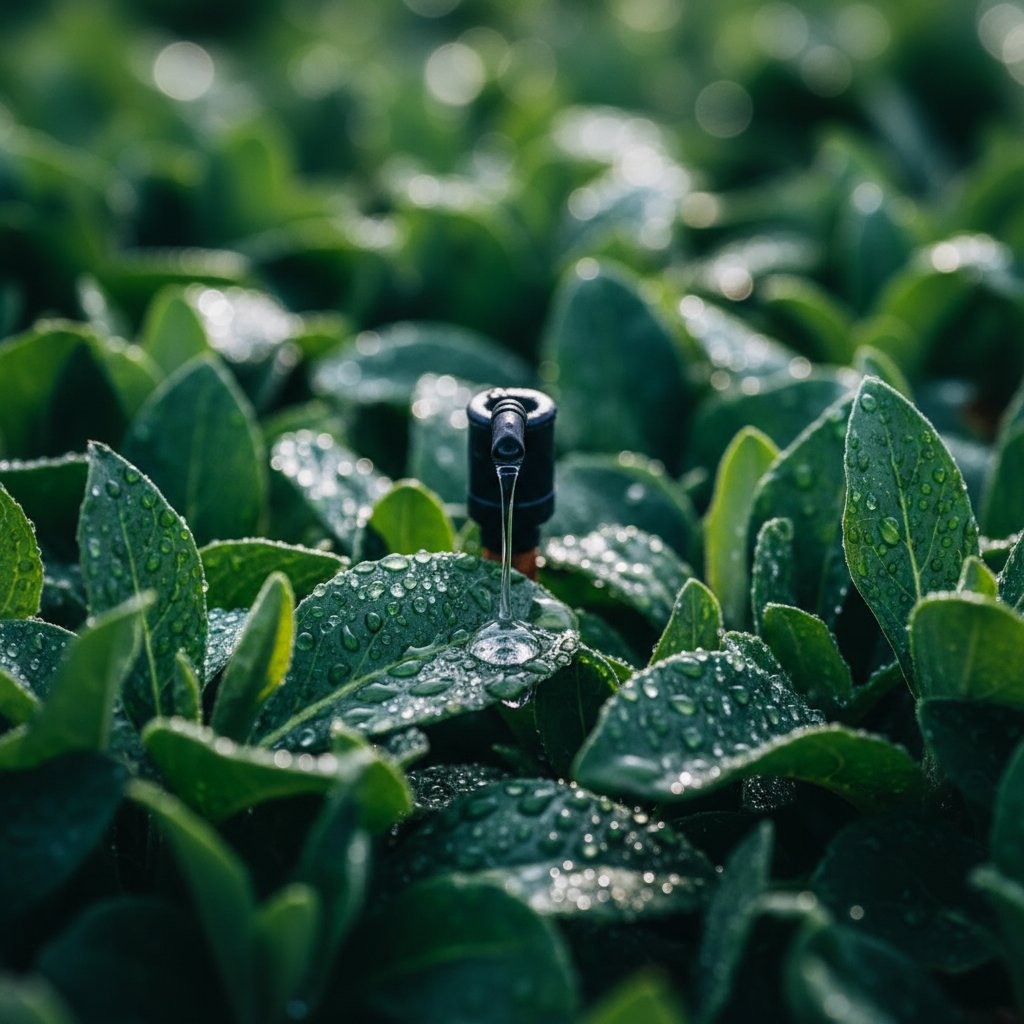
When My "Smart" Sprinkler System Cost Me $847 More Than Expected
Last spring, I installed a weather-based smart irrigation system in my garden. The promise was simple: automated watering that adjusts to weather forecasts, saving money and water. The reality? By October, I'd spent nearly $850 beyond my initial budget—and I'm talking about expenses that never appeared on the product box or marketing materials.
Here's the thing nobody tells you when you're shopping for these systems: the sticker price is just the appetizer.
The Seductive Promise of Weather-Based Irrigation
Smart irrigation controllers that pull real-time weather data sound like a gardener's dream. They check hourly forecasts, measure soil moisture through connected sensors, and skip watering cycles when rain is coming. According to EPA WaterSense data, these systems can reduce outdoor water use by 20-50% compared to traditional timers.
But that efficiency comes with strings attached—strings that'll pull money from your wallet in ways you didn't anticipate.
The Hidden Expenses Nobody Warns You About
1. The Professional Installation Trap
Most manufacturers advertise their systems as "DIY-friendly." Sure, if you're an electrician with plumbing experience. I spent three weekends trying to integrate my new controller with existing zone valves before calling a pro. That visit cost $385.
Professional installation typically runs between $300-$600 for a standard residential setup. Add another $150-$200 if your existing wiring doesn't meet the controller's requirements. My 15-year-old system needed a transformer upgrade. Nobody mentioned that in the YouTube tutorials.
2. Sensor Multiplication Syndrome
The basic system includes one weather-monitoring unit. Sounds sufficient until you realize your garden has microclimates. That sunny south-facing bed dries out completely while the shaded area stays moist.
Each additional soil moisture sensor costs $50-$120. For my 2,000 square foot garden with six distinct zones, I needed four extra sensors to get accurate readings. That's $280 right there. Without them, the system either over-waters some areas or under-waters others, defeating the entire purpose.
3. Subscription Fees (Yes, Really)
Some premium systems charge annual fees for advanced weather forecasting services. Rachio, one of the market leaders, offers free basic weather data but locks hyper-local forecasting and historical analytics behind a $30/year subscription. Other brands charge $50-$100 annually.
"We've seen subscription creep in this space," says Marcus Chen, a landscape technology consultant I interviewed. "Five years ago, everything was included. Now companies realize they can monetize the data layer."
4. The Connectivity Tax
These systems need reliable WiFi coverage in your yard. My router sits in the front of my house; the controller mounts in the garage out back. Signal? Terrible.
WiFi extender: $79. Weatherproof outdoor access point if you want something reliable: $120-$200. This expense hits especially hard in larger properties where the controller sits far from your router.
5. Maintenance and Replacement Costs
Outdoor electronics face brutal conditions. My soil sensors need recalibration every season—a $45 service call each time, or a $30 calibration kit if you're handy. Sensor batteries last 12-18 months at $8-$15 per replacement.
The weather station itself? Expect a 4-6 year lifespan before sensors degrade. Replacement units run $150-$300 depending on your system.
The Math That Marketing Ignores
Let's break down real first-year costs for a typical smart irrigation setup:
- Controller unit: $200-$400
- Professional installation/wiring upgrades: $300-$600
- Additional soil sensors (3-4 units): $200-$400
- WiFi extension: $80-$200
- Subscription services: $0-$100
- Calibration and maintenance: $50-$100
Total first-year investment: $830-$1,800
Compare that to the advertised controller price of $200-$400. The gap between expectation and reality is massive.
Are the Hidden Costs Worth It?
Here's where I land after a full season: yes, but only if you go in with eyes open.
My water bill dropped by 38% compared to the previous summer. That's $47 monthly during peak season (June-September), or $188 annually. My lawn looks better because watering happens at optimal times based on actual conditions, not my best guess.
At current savings rates, my system will pay for itself in 4.5 years. Not the 2-3 years the marketing promised, but still a reasonable ROI if the hardware lasts.
Key Takeaways
- Budget 2-3x the advertised controller price for a complete, functional system
- Professional installation often becomes necessary despite "DIY-friendly" claims
- Multiple soil sensors are essential for accurate automation in varied landscapes
- Connectivity infrastructure (WiFi extension) adds unexpected costs
- Annual subscription fees and maintenance create ongoing expenses
- Realistic payback period: 4-6 years, not the 2-3 years commonly advertised
Smart irrigation delivers real benefits, but only when you budget for the complete picture. That $300 controller becomes an $800-$1,200 investment when you include everything needed to make it work properly. Plan accordingly, and you'll love the results. Go in expecting plug-and-play simplicity, and you'll end up like me—frustrated and significantly over budget.