Умные системы полива: Автоматизация орошения сада на основе прогноза погоды: common mistakes that cost you money
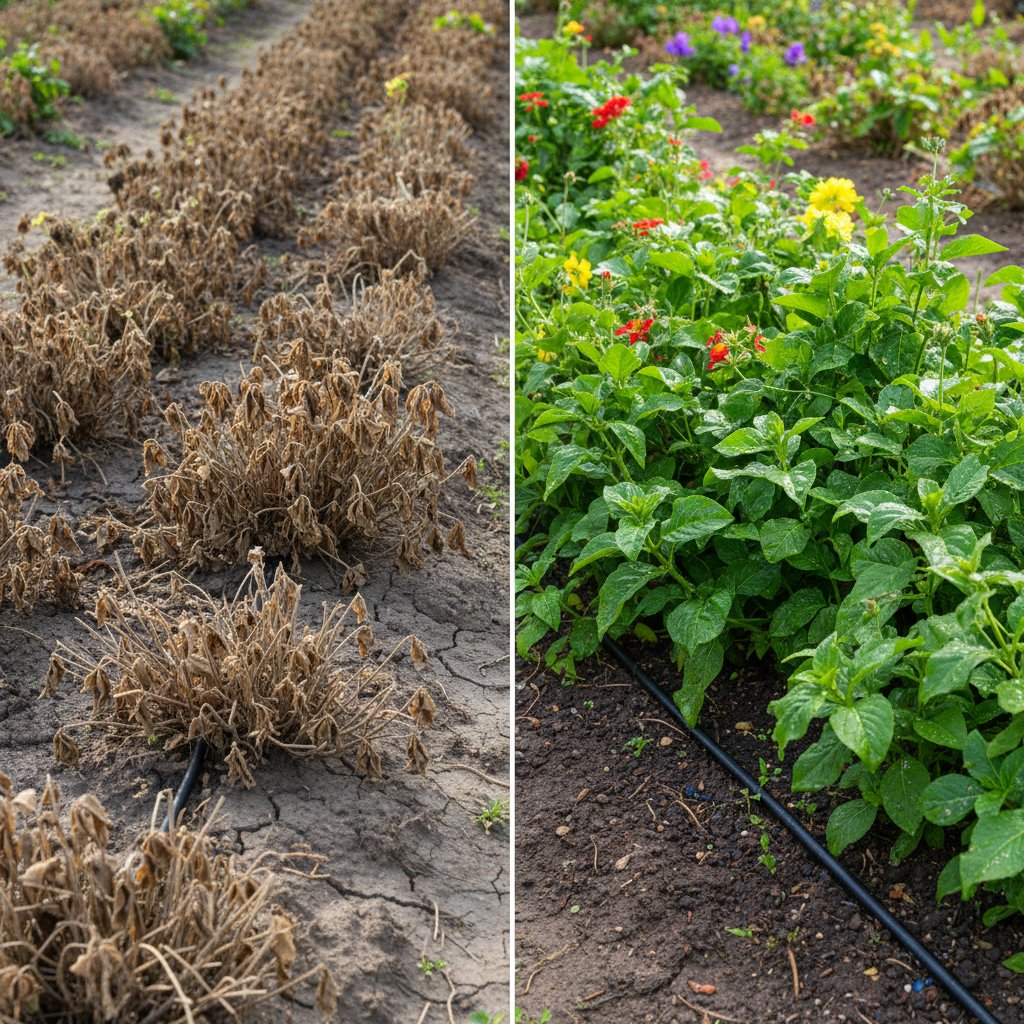
Smart Irrigation Gone Wrong: The Expensive Mistakes You're Probably Making
Last summer, my neighbor Tom proudly showed me his new weather-based irrigation system. Three months later, he'd spent $400 fixing dead grass patches and replacing overwatered shrubs. His fancy controller was pulling weather data from a station 15 miles away—where it rained twice as much as our neighborhood.
Weather-based irrigation automation promises to cut water bills by 30-50% while keeping your garden healthier. But here's the reality: most people screw it up in predictable, expensive ways. Let's break down the two main approaches and where they typically go sideways.
The DIY Smart Controller Route: Pros and Cons
Installing a weather-responsive controller yourself runs $150-$400 for the hardware, plus whatever your Saturday afternoon is worth.
The Upside:
- Lower upfront cost – You're looking at maybe $300 total if you've already got decent zone valves
- Full control – Tweak settings at 2 AM if that's your thing
- Learn as you go – Understanding your system means faster troubleshooting
- No service contracts – Your wallet stays closed after purchase
The Downside:
- Weather data accuracy is a crapshoot – Free API services often pull from airports or stations miles away. That 40% chance of rain? Might happen three towns over while your petunias bake.
- You're the irrigation expert now – Hope you know the difference between clay and loamy soil moisture retention (spoiler: it's huge)
- Setup takes 6-8 hours minimum – And that's if you don't discover your zone wiring is a mess from 1997
- No accountability when things die – Your roses don't care that you followed a YouTube tutorial
The Professional Installation Path: Pros and Cons
Hiring pros to design and install a weather-integrated system costs $800-$2,500 depending on your property size and system complexity.
The Upside:
- Proper sensor placement – They'll actually measure your soil type and sun exposure instead of guessing
- Hyperlocal weather integration – Better systems use multiple data sources or install on-site weather stations
- Zone optimization – Your shady hostas won't get the same treatment as sun-blasted lawn sections
- Warranty protection – Most offer 2-3 year guarantees on equipment and installation
- Seasonal adjustments included – Spring and fall tune-ups prevent the "oops, everything's dead" moment
The Downside:
- Higher initial investment – You're spending 3-5x more upfront than DIY
- You're trusting their expertise – Not all irrigation companies actually understand smart controllers well
- Potential upselling – Some push unnecessary features like smartphone apps that duplicate controller functions
- Scheduling hassles – Getting someone out for adjustments can take days
Head-to-Head Comparison
| Factor | DIY Smart Controller | Professional Installation |
|---|---|---|
| Upfront Cost | $150-$400 | $800-$2,500 |
| Setup Time | 6-12 hours | 4-6 hours (your time: zero) |
| First-Year Water Savings | 15-25% (if configured correctly) | 30-50% (proper zoning + accuracy) |
| Accuracy of Weather Data | Regional (5-20 mile radius) | Hyperlocal or on-site sensors |
| Plant Loss Risk | Moderate to high first season | Low with warranty protection |
| Ongoing Costs | $0 (unless you break something) | $100-$200/year for maintenance |
| Break-Even Point | 1-2 years | 2-4 years |
The Real Money Killers (Both Routes)
Here's where people hemorrhage cash regardless of their approach:
Ignoring soil sensors. Weather forecasts predict rain, not how much moisture your specific dirt actually holds. A $60 soil moisture sensor prevents 90% of overwatering disasters. Skip this, and you're basically guessing with expensive consequences.
Using single-source weather data. Whether DIY or pro, systems relying on one weather station are playing Russian roulette with your landscaping. Microclimate variations within a 5-mile radius can mean a 30% difference in actual rainfall.
Setting and forgetting. Your spring watering schedule will drown everything by July. Weather-based systems need monthly check-ins minimum, adjusting for seasonal plant needs beyond what algorithms predict.
Cheap rain sensors. That $15 rain sensor from the hardware store? It'll corrode or stick within 18 months. Then your system waters during rainstorms like a confused robot, wasting 40-60 gallons per incident.
Which Path Actually Makes Sense?
Go DIY if you've got a simple yard (under 5,000 sq ft), you're reasonably handy, and you enjoy tinkering. You'll save money but invest time learning the quirks. Budget an extra $200 for mistakes—wrong settings will kill plants or spike your water bill before you dial it in.
Choose professional installation for properties over 8,000 sq ft, complex landscapes with mixed plant types, or if your time genuinely is worth $100+ per hour. The upfront sting hurts, but you'll hit actual 40-50% water savings faster and avoid the $300-$600 most DIYers spend fixing their first-season mistakes.
The worst move? Buying the fanciest controller but skipping soil sensors and proper zone mapping. That's like buying a Ferrari and filling it with regular gas—expensive and missing the whole point.