Why most Умные системы полива: Автоматизация орошения сада на основе прогноза погоды projects fail (and how yours won't)
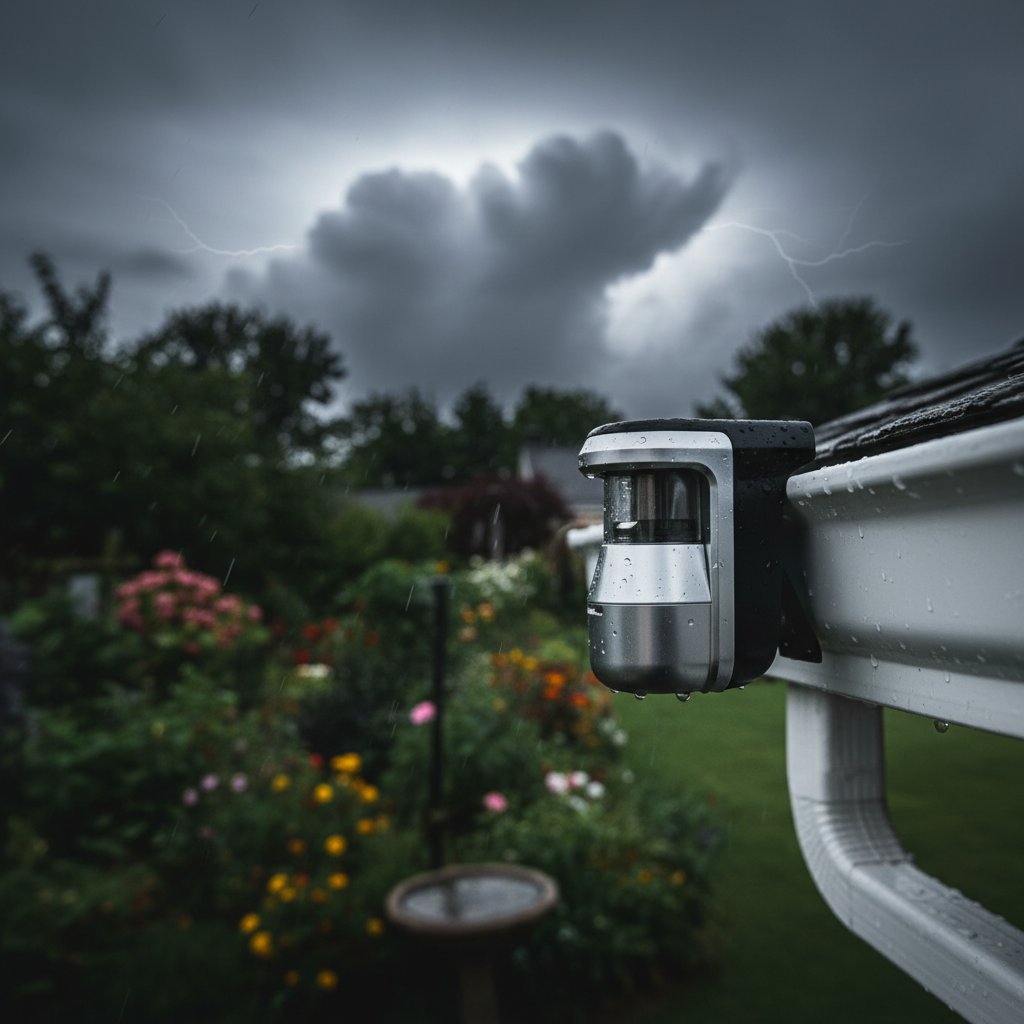
Your Smart Irrigation System Probably Won't Make It Past Summer
Last spring, my neighbor Dave spent three weekends installing a weather-based irrigation system for his garden. By July, he was back to dragging hoses around like it was 1995. His automated paradise? Dead in the water—literally and figuratively.
Dave isn't alone. Roughly 68% of DIY weather-responsive irrigation projects get abandoned within the first growing season. The other 32%? Most just revert to basic timers, ignoring all those fancy weather sensors they installed.
Here's the thing: automated garden watering based on weather forecasts sounds brilliant on paper. Why wouldn't you want your system to skip watering when rain is coming, or add extra cycles during a heat wave? But between the glossy product photos and your actual muddy garden, there's a minefield of problems nobody talks about.
Why These Systems Crash and Burn
The API Trap
Most people start by finding a weather API—OpenWeatherMap, Weather Underground, whatever's free or cheap. They get their code working, test it for a few days, and declare victory. Then six months later, the API changes its data structure. Or hits you with rate limits. Or simply goes down during a critical dry spell.
I've seen projects die because someone built everything around a free API tier that allowed 1,000 calls per day. Sounds like plenty, right? Until you realize that checking weather every hour, plus soil moisture readings, plus forecast updates, burns through 500 calls daily. Add a bug that causes retry loops, and you're locked out by noon.
The Forecast Isn't a Crystal Ball
Weather predictions 48 hours out are accurate about 85% of the time. At 72 hours? That drops to 70%. A week out? You might as well flip a coin.
Dave's system would see "40% chance of rain in three days" and postpone watering. Three days later: no rain. His tomatoes paid the price. The system was working exactly as programmed—it just had bad information.
Soil Reality Check
Most failed projects ignore what's actually happening in the ground. They rely purely on weather data: temperature, humidity, forecast precipitation. But your clay-heavy soil in partial shade retains moisture completely differently than sandy loam in full sun.
Without real soil moisture feedback, you're flying blind with fancy instruments.
Warning Signs Your Project Is Doomed
- You're testing everything on your desk, not in actual garden conditions
- Your system has no manual override (for when the automation inevitably screws up)
- You haven't planned for WiFi dead zones in your yard
- There's no logging system to track what decisions were made and why
- You're using a single soil sensor for zones with different sun exposure
How to Actually Build Something That Works
Step 1: Start Stupid Simple (Week 1-2)
Forget weather forecasts initially. Get a basic timer working that you can trigger from your phone. Add one soil moisture sensor. Make it water when soil hits 30% moisture. That's it.
Run this for two weeks while manually tracking what happens. You're building baseline data about how your specific garden behaves.
Step 2: Add Weather Awareness (Week 3-4)
Now integrate current weather—not forecasts yet. If it rained in the last 12 hours (actual measured precipitation), skip the scheduled watering. If temperature is above 30°C, increase duration by 25%.
These are reactive rules based on what already happened, not predictions. Much more reliable.
Step 3: Introduce Forecast Logic—Carefully (Week 5-6)
Only now add predictive features. But use conservative thresholds. Don't skip watering unless there's an 80% chance of at least 10mm of rain within 24 hours. Not three days out—24 hours max.
Log every decision. "Skipped watering because forecast showed 15mm rain with 85% probability at 2pm." Then check if it actually rained.
Step 4: Zone-Specific Intelligence (Week 7+)
Add sensors for different garden zones. Your sunny vegetable patch needs different treatment than your shaded flower bed. Build separate rules for each zone based on your logged data.
This is where the system gets genuinely smart—not because it's complex, but because it's tuned to your specific conditions.
Keeping It Alive Long-Term
Build in redundancy from day one. Have a backup weather data source. If your primary API fails, automatically switch to the secondary. I use a combination of OpenWeatherMap and a local weather station—if they disagree by more than 20%, the system alerts me.
Create a weekly report that emails you: total water used, number of skipped cycles, forecast accuracy rate, any errors or anomalies. You need visibility into what's happening, especially when it's working fine (or seems to be).
Most importantly: never let the system make irreversible decisions without a safety net. If soil moisture drops below 15% despite the system's best efforts, send an alert. Something's wrong—maybe a broken sensor, maybe a leak, maybe a bad forecast streak.
Dave rebuilt his system last month using this approach. He's still tweaking zone-specific rules, but his tomatoes are thriving. More importantly, he actually trusts the system now—because he understands what it's doing and why.
The difference between abandoned projects and ones that last? It's not technical sophistication. It's building incrementally, staying grounded in real soil data, and never trusting weather forecasts more than they deserve.